
Wait.
Turntables aren’t like other vintage electronics. They move. A tiny needle drags across your records every single time you play one. And the motor has to spin at the exact right speed, every time. Get it wrong, and you don’t just get bad sound. You get damaged vinyl. Records you can’t get back.
I’ve spent 50+ years around this equipment. I know what makes a turntable worth buying, and what makes it a headache. Here’s what actually matters before you hand over your money, straight from my vintage turntable buyers guide.
What Makes or Breaks a Turntable
Two things carry the whole machine: the platter and the motor.
The platter is where your record sits. It needs weight. A heavy platter holds its speed steady, even when the needle hits a rough patch of vinyl. A light, thin platter speeds up and slows down. You’ll hear it.
The motor spins the platter. It needs to be quiet, and it needs to be exact. A motor that rumbles or grinds isn’t a small problem. It’s an expensive one to fix.
Speed matters more than people think. A turntable running even a little fast or slow changes the pitch of everything you play. This is exactly the kind of thing I can catch in minutes that would take you weeks of guessing to figure out on your own.
The Stylus Is Where Your Money Really Goes
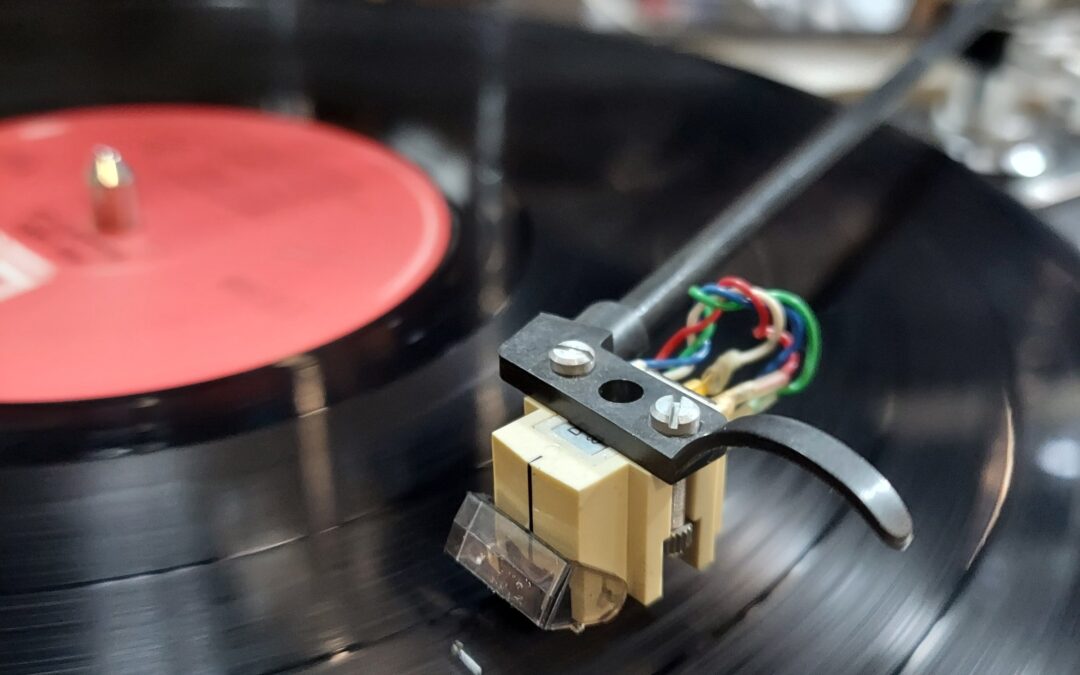
The stylus is the needle. It’s the single most important part of the whole machine, and it’s the part people overlook the most.
A good stylus lasts about 1,000 hours of play. Ask the seller how long they’ve had it, and how often they used it. “Heavy use for ten years” means that stylus is done. Budget 25 to 100 dollars or more to replace it, depending on the unit.
A damaged stylus doesn’t just sound bad. It damages your records, one play at a time. That’s the part people don’t realize until it’s too late.
Cartridges matter too. Moving magnet cartridges are common and easy to replace. Moving coil cartridges cost more and sound different. If the cartridge doesn’t match the turntable, that’s not a dealbreaker. It just means the sound might not be what the manufacturer intended. Worth asking about.
The Tonearm Tells You the Whole Story
The tonearm holds the cartridge and tracks across your record. It has to be balanced just right. Too much pressure, and it wears down your stylus and damages your records. Too little, and it skips.
A bent or warped tonearm means uneven pressure across the whole record. That’s a repair, not a quick fix.
This is one of those parts where a small problem looks harmless and turns into a big one down the road. Better to find out from me before you buy it than find out three records later.
Little Things That Add Up
The plinth is the base the whole turntable sits on. It needs to isolate vibration. A few cosmetic cracks don’t matter. Structural damage does. It sends vibration straight into the tonearm, and you’ll hear it as rumble.
Pitch control knobs and start and stop buttons wear out too. A crackly pitch knob usually means a dirty part inside. Not the end of the world. But it’s something to know about before you agree on a price.
What a Vintage Turntable Should Actually Cost
Price comes down to condition, plain and simple.
A beat-up unit that needs work: 50 to 100 dollars.
A well-maintained midrange turntable: 200 to 400 dollars.
A high-end turntable in excellent shape: 500 to 1,000 dollars or more.
Here’s the math people skip. If it needs a new stylus, that’s part of the real price. A turntable that needs a 100 dollar stylus should cost 100 dollars less than the same one ready to play. Don’t pay full price for a piece that still needs work.
When to Just Walk Away
Walk away if the stylus is visibly damaged.
Walk away if the motor sounds bad.
Walk away if the platter doesn’t spin freely.
Walk away if the tonearm is bent.
Walk away if the seller won’t give you a straight answer about condition.
Good vintage turntables are out there. Don’t talk yourself into a bad one because the price looked right at first.
The Smartest Move: Get It Checked
Once you bring a turntable home, get it serviced before you play it for hours on end. A proper check confirms the motor speed is right, the tonearm is balanced, and the cartridge is set up correctly for that turntable. That’s usually 50 to 100 dollars well spent, and it protects every record you own after that.
Honestly, the smartest move is getting it checked before you buy, not after. A good vintage turntable can sound better than anything being made today. Take care of it, and it will work for decades.
Frequently Asked Questions
What should I check first in a vintage turntable buyers guide?
Start with the platter and motor. If those aren’t right, nothing else about the turntable matters much. From there, the stylus is the next biggest factor in both cost and sound quality.
How much does it cost to service a vintage turntable?
Diagnostic fees are case-by-case, since every turntable is different. Bring it in and I can tell you what you’re actually looking at.
Is a cheap vintage turntable ever worth buying?
Sometimes. A low price can mean a good deal, or it can mean a stylus and cartridge replacement is coming. If you’re just getting into records, that’s not necessarily bad. You won’t have much invested if it turns out records aren’t for you. Either way, factor the cost into what you’re willing to pay.
Can a bad stylus damage my records?
Yes. A cracked, bent, or worn stylus damages vinyl every time it plays. It’s the single biggest reason not to guess on turntable condition.
How long does a turntable diagnostic take?
Real diagnosis takes time. Proper component testing typically runs 3 to 6 weeks, because doing it right means actually testing, not guessing.
Found a turntable you’re not sure about? Or want a professional set of eyes on it before you hand over your money? Check our repair FAQ to see what to expect, then reach out.