
Why Vintage Stereo Still Sounds Better
There’s a reason people still dig through basements, estate sales, and old family storage looking for vintage receivers, turntables, and speakers. It’s not just nostalgia—it’s about sound quality. Vintage electronics deliver a depth and warmth that modern gear rarely matches.
At Digital Vintage Classics, we don’t just work on vintage equipment—we’re immersed in it every day. Dan’s been repairing these systems for decades, and he’s the guy people turn to when their modern gear leaves them cold. Over and over, we hear the same thing:
“I tried something new, but it just didn’t sound right.”
Let’s break down why vintage audio equipment still offers a superior listening experience—and why Dan stands by it, part by part.
Analog Audio: The Warmth Digital Can’t Fake
Vintage equipment has one major advantage: it’s analog. You’re not listening to compressed files pushed through digital filters—you’re getting warm, textured sound with real presence. There’s depth and dimension that digital systems often flatten out.
Whether it’s the snap of a snare drum or the warmth of a vinyl vocal track, analog gear brings out the soul of the music in a way digital just can’t replicate.
1. Built to Last — Not Built to Toss
Modern audio gear is often made of lightweight plastic, mass-produced, and designed with planned obsolescence in mind. Many devices today can’t even be opened, let alone serviced.
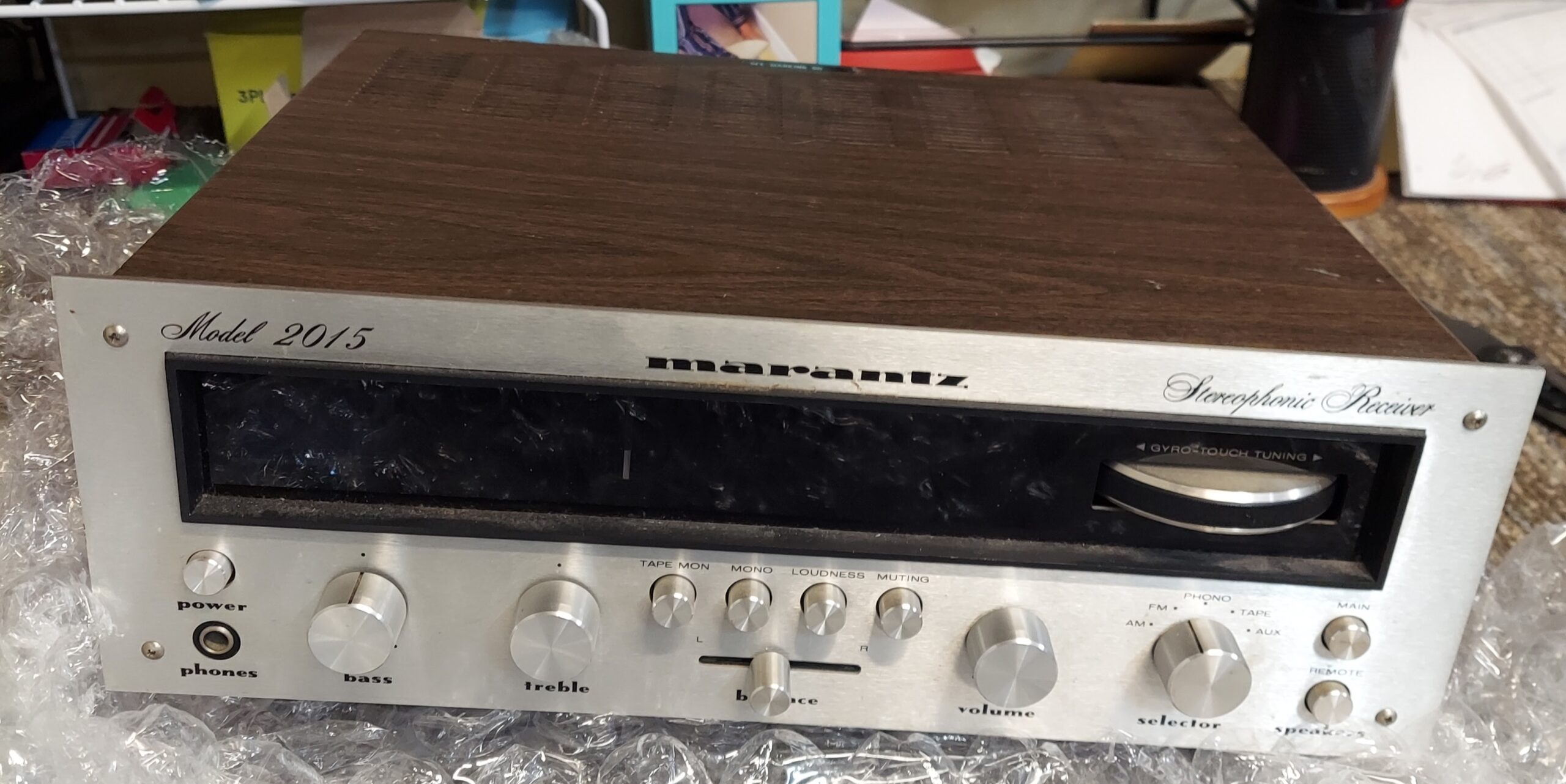
In contrast, vintage gear—especially from the ’60s, ’70s, and early ’80s—was built with care: metal chassis, real transformers, and high-quality components. These systems were designed to be maintained, not replaced.
Most of them are still going strong decades later with just a little professional attention.
2. True Analog Sound With Real Character
Analog isn’t just a buzzword—it’s a listening experience. With vintage systems, you’re hearing uncompressed audio with real texture and warmth.
From the punch of a kick drum to the richness of a singer’s voice, vintage stereo gear delivers clarity, depth, and dimension that’s hard to replicate with modern digital systems.
3. Real Power Ratings — Not Marketing Gimmicks
Modern systems love to advertise big wattage numbers, but these are often peak power ratings, not continuous output. That means the numbers can be misleading.
Vintage receivers typically list honest RMS wattage. A 35-watt Marantz or Pioneer from the 1970s can easily outperform a “150-watt” modern system because of cleaner, more stable power delivery and superior internal design.
4. No Software Tricks, Just Solid Engineering
Today’s gear often leans on digital signal processing (DSP) to compensate for limitations in design or cost. Vintage audio doesn’t need digital filters or software tricks—because it was built right from the start.
With a clean analog signal path, you’re hearing what the artist intended, not a digitally altered version of it.
5. Designed to Feel As Good As It Sounds
Vintage equipment isn’t just functional—it’s beautiful. Think glowing dials, machined aluminum knobs, wood-paneled cabinets, and analog VU meters.
Modern gear tends to look like plastic boxes. Vintage audio systems are tactile and immersive. They’re meant to be interacted with, not just tapped on a touchscreen.
6. Repairable and Restorable — Unlike Most Modern Gear
Modern electronics are often sealed shut with glue and plastic clips. If something fails, your only option might be to toss it and start over.
Vintage gear? It was built to be serviced. From replacing capacitors to cleaning switches, these machines were designed with longevity in mind—and many are still in service after 40+ years.
7. Why Most Modern Audio Just Doesn’t Compare
To be fair, not all modern gear is bad. But most mass-market audio today is built for convenience, not quality—emphasizing streaming, connectivity, and aesthetics over sound performance. Comparable modern gear that does match vintage sound quality exists, but it typically comes at a much higher price. Vintage gear, on the other hand, was built for listening first. And for those who care about true audio quality, that’s the difference that matters.
Final Thoughts: Experience the Difference for Yourself
We don’t just repair vintage gear because it looks cool. We do it because it sounds better, lasts longer, and helps people reconnect with their music in a way modern systems often can’t.
If you’ve never heard your favorite album on a properly serviced vintage setup, you’re missing out.
Let us help you change that.
Want more tips on caring for vintage audio gear?
Join our email list for repair insights, expert advice, and exclusive subscriber-only content — straight from the workbench at Digital Vintage Classics.
🛠️ No spam. No fluff. Just solid info to keep your gear sounding its best.
👉 Join the List Here